SparkTimeCustom perfume development

Prefer to talk first? Reach us directly on WhatsApp or email.

WhatsApp Email
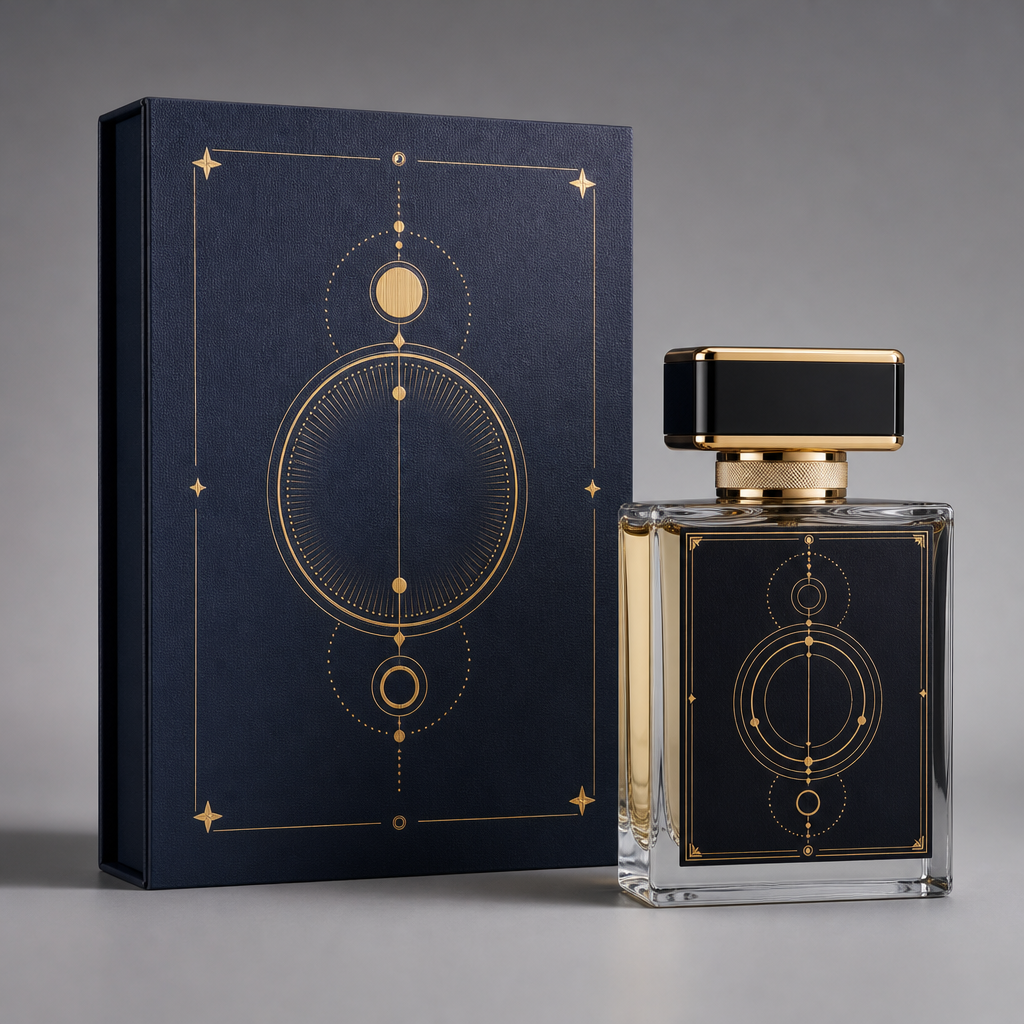
Packaging study for a sign-based collection

Custom perfume development

Built for the first order that proves the concept.

Four to five directions, one bottle family, and a packaging path that starts at a handful of samples. We develop fragrance and packaging against your brief — then you decide whether the line deserves a second order.

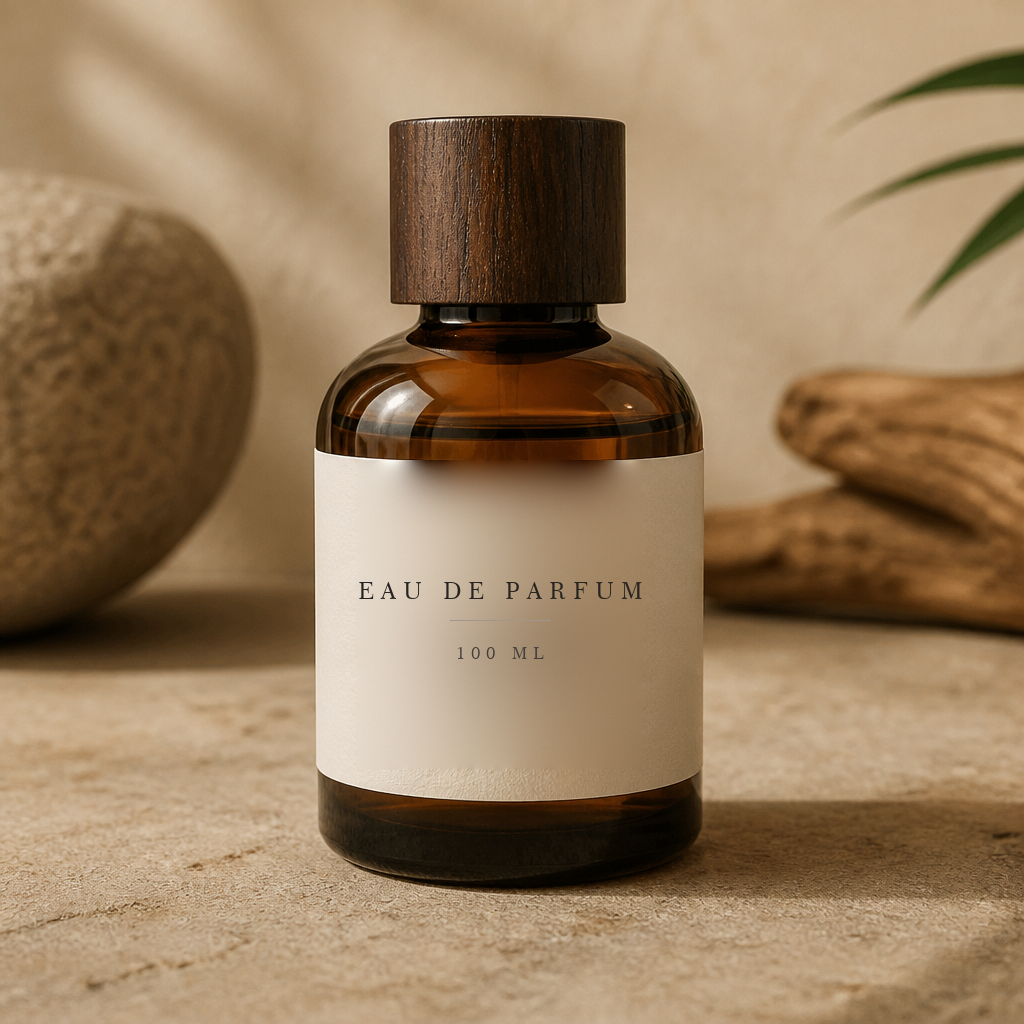
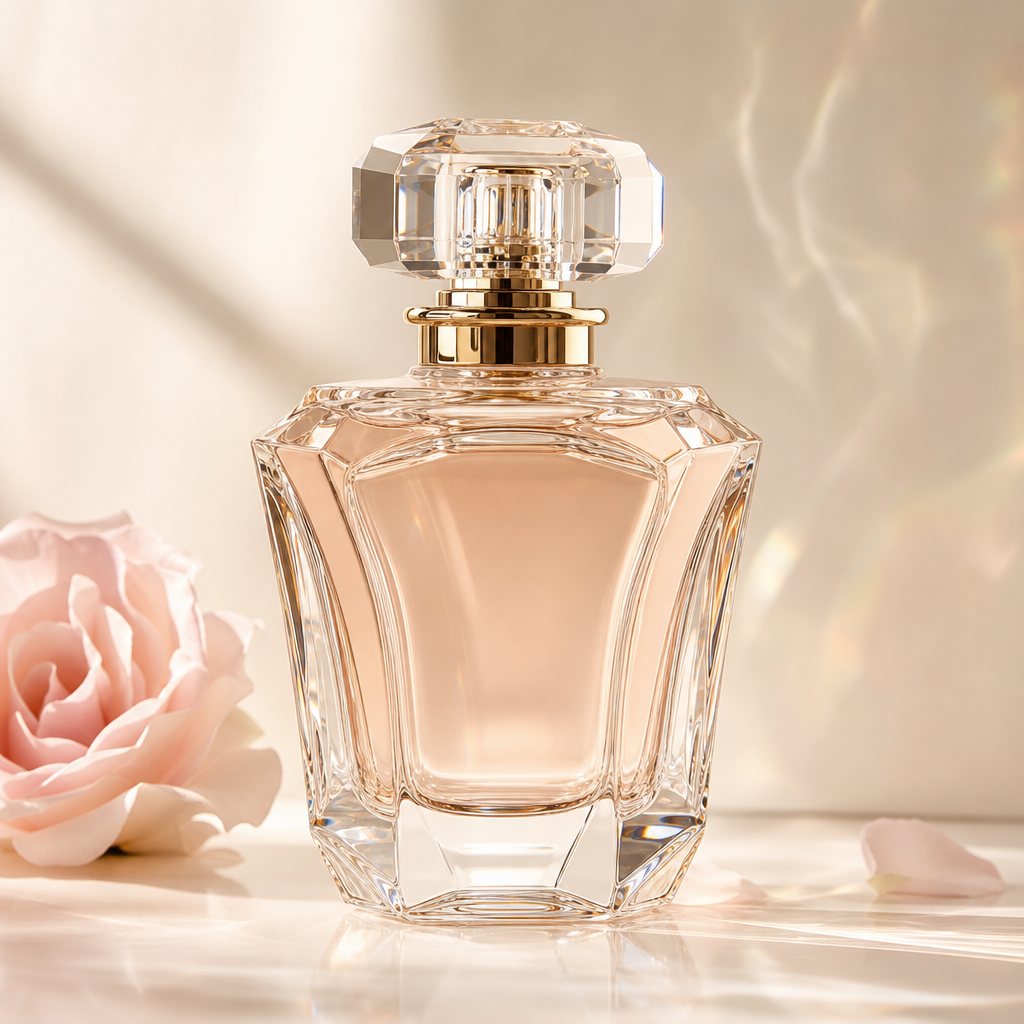
Concept visual — packaging study, not a finished product.

For small wholesalers and new brands

Built for the first order that proves the concept — not the container load.

Most custom perfume programmes are priced and scheduled for buyers who already move thousands of units. If you are testing a new line, opening a second market or buying for a handful of retail doors, the standard process does not fit you. Here is what usually goes wrong, why it happens, and what we actually do about it. Where we cannot help, we say so.

What we hear

“I only need 200 pieces to test the market, and every supplier stops replying.”

Why it happens

Production is scheduled around changeover cost, so small runs are quoted last or not at all. Fragrance and packaging also carry separate minimums, and buyers usually discover this at the end.

What we do

We split the decision into two steps: a finished-goods trial run from 1–5 units to confirm the scent and the story, then a packaging order once the concept has buyers. You do not have to commit to packaging to hear how a direction performs.

How you can check

Ask for a trial-run quote on a single direction — it is issued against the same brief form as a bulk order.

What we hear

“Three suppliers quoted me, then two came back saying my bottle and pump do not fit together.”

Why it happens

Quotations are often issued before anyone checks bottle neck, pump collar, cap tolerance and decoration feasibility. The conflict surfaces at sampling, after your launch date is already booked.

What we do

Before any price is issued, we run a feasibility check across the nine customisation points — bottle, neck, pump, cap, box, label, scent, concentration, fill size — and return one of three answers: workable as specified, workable with a substitution, or not workable.

How you can check

The feasibility note is issued with the quotation, item by item, so you can forward it to your own buyer or designer.

What we hear

“By the time the quotation arrived, my retail window had closed.”

Why it happens

Every question travels between buyer, agent and development team, and each round trip costs days. Nobody owns the deadline.

What we do

One brief, one owner. First reply within 24 business hours, a feasibility note plus quotation within about 5 business days, and a named person responsible for your file from brief to shipment.

How you can check

The reply time is stated on the form confirmation you receive; the quotation carries the name of the person who issued it.

What we hear

“The sample was perfect. What arrived was a different colour and a flatter scent.”

Why it happens

Approval is often verbal or by photo, with no signed reference sample and no written tolerance for colour or scent deviation.

What we do

Every order is locked against a sealed reference sample plus a written specification: scent code, concentration, fill volume, appearance, spray function, leak criteria, decoration position and artwork version. That document — not memory — is the acceptance standard.

How you can check

Ask for the specification sheet before production starts; it lists what will be measured and how a batch is judged.

What we hear

“My customer asked for allergen documentation and I had nothing to send.”

Why it happens

Fragrance compliance is decided at formula stage — allergen declaration thresholds, IFRA use limits, and per-market registration duties. Buyers usually ask after the order, when changes are expensive.

What we do

We raise it during sampling, not after: we flag which allergens must be declared for your concentration and use category, and we tell you which registration steps belong to you or your local importer rather than to us. Documentation support covers SDS, CoA, IFRA conformity and stability reports on request.

How you can check

Request the document list for your target market before sampling; it separates “we provide” from “you or your importer files”.

What we hear

“Everyone talks about low minimums for the juice, then the bottle minimum is 1,000 and nobody mentioned it.”

Why it happens

Fragrance concentrate and finished goods can be run in small batches; bottles, pumps and printed boxes cannot, because they are tooled and printed in fixed runs. This is a physical constraint of packaging, not a sales tactic.

What we do

We tell you the floor before you design around it: packaging starts at 300 units and can reach 2,000 depending on bottle, pump and box. Then we show three ways around it — use a standard bottle and pump, which sit at the low end of that range; run the trial on finished goods first and commit packaging only after the scent has buyers; or concentrate volume on one bottle family and vary scent, label and box across several SKUs.

How you can check

Ask for the packaging tier table before you choose a bottle; it lists the minimum for each bottle, pump and box combination we can quote.

What we hear

“I asked four suppliers a simple question. One replied, and only after I said I would order 5,000.”

Why it happens

Enquiries are triaged by order value, so small files wait behind large ones — or never get picked up.

What we do

The brief form is the same for 1 unit and 10,000 units, and it is answered in the same order it arrives, within 24 business hours. If your project is outside what we can do, you get a clear no instead of silence.

How you can check

Submit any size of brief and time the first reply; the 24-hour commitment applies to every submission.

What we hear

“The scent was developed by one person, the label by another, and the box arrived in a colour that killed the whole look.”

Why it happens

Scent development, packaging sourcing and artwork are separate workstreams with separate suppliers and no shared specification.

What we do

One brief locks all nine points at once and returns a single specification sheet: scent direction and concentration, fill size, bottle and pump, cap, box, label finish. Your designer works from that sheet instead of guessing.

How you can check

The specification sheet is a single document covering all nine points — if a supplier cannot produce one, the three workstreams are not actually connected.

If your case is not on this list, describe it in the brief — we will tell you what is possible before you commit to anything.

Concept collections

Five directions you can put your own name on.

Starting structures, not catalogues: four to five directions each, one bottle family, packaging that begins with samples. Full scent structures, packaging levels and market notes sit on each collection page.

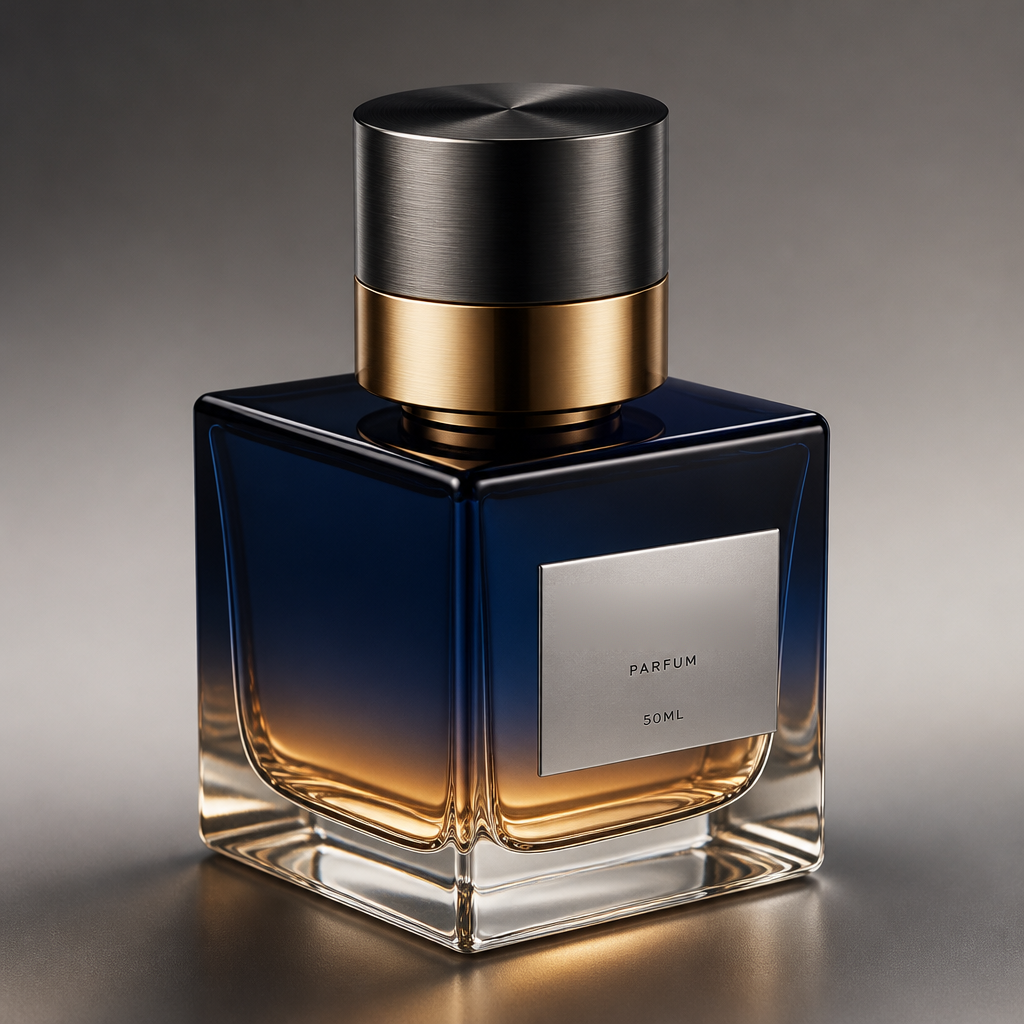
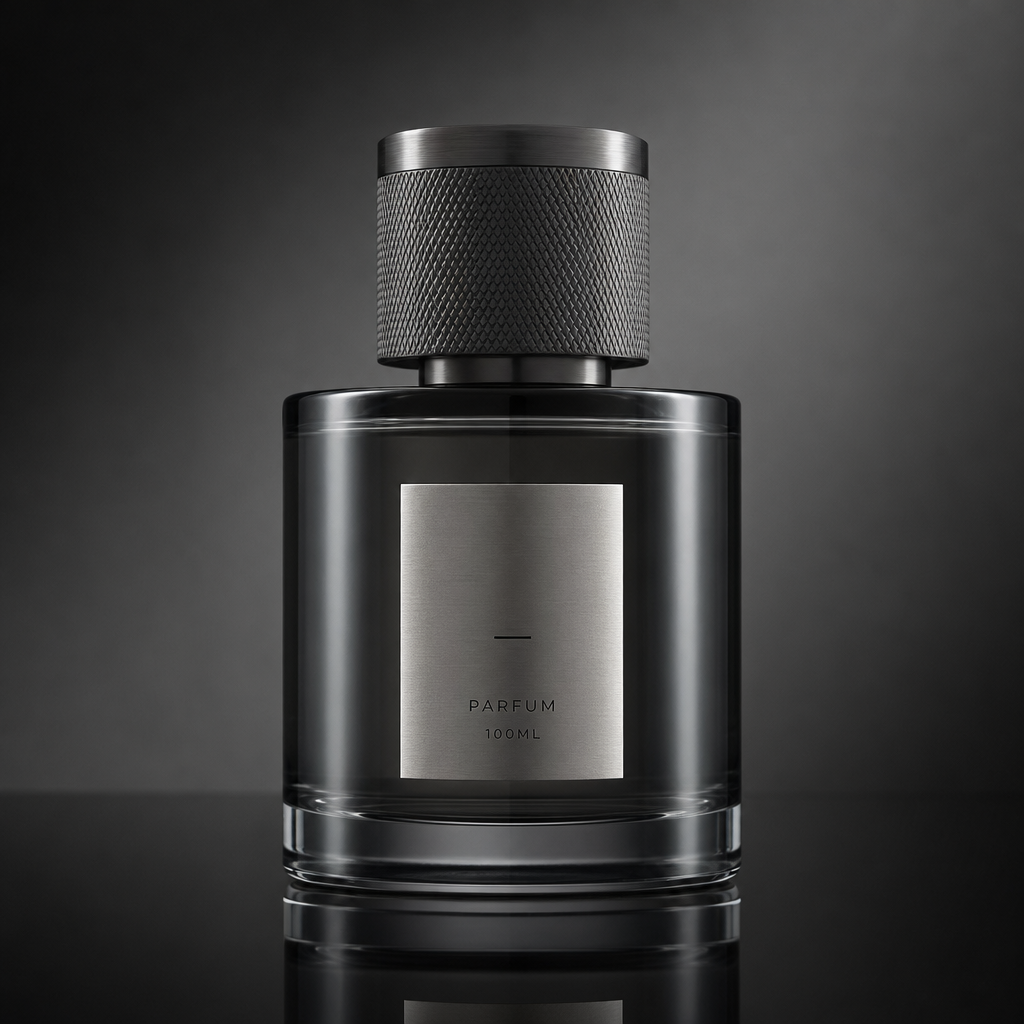
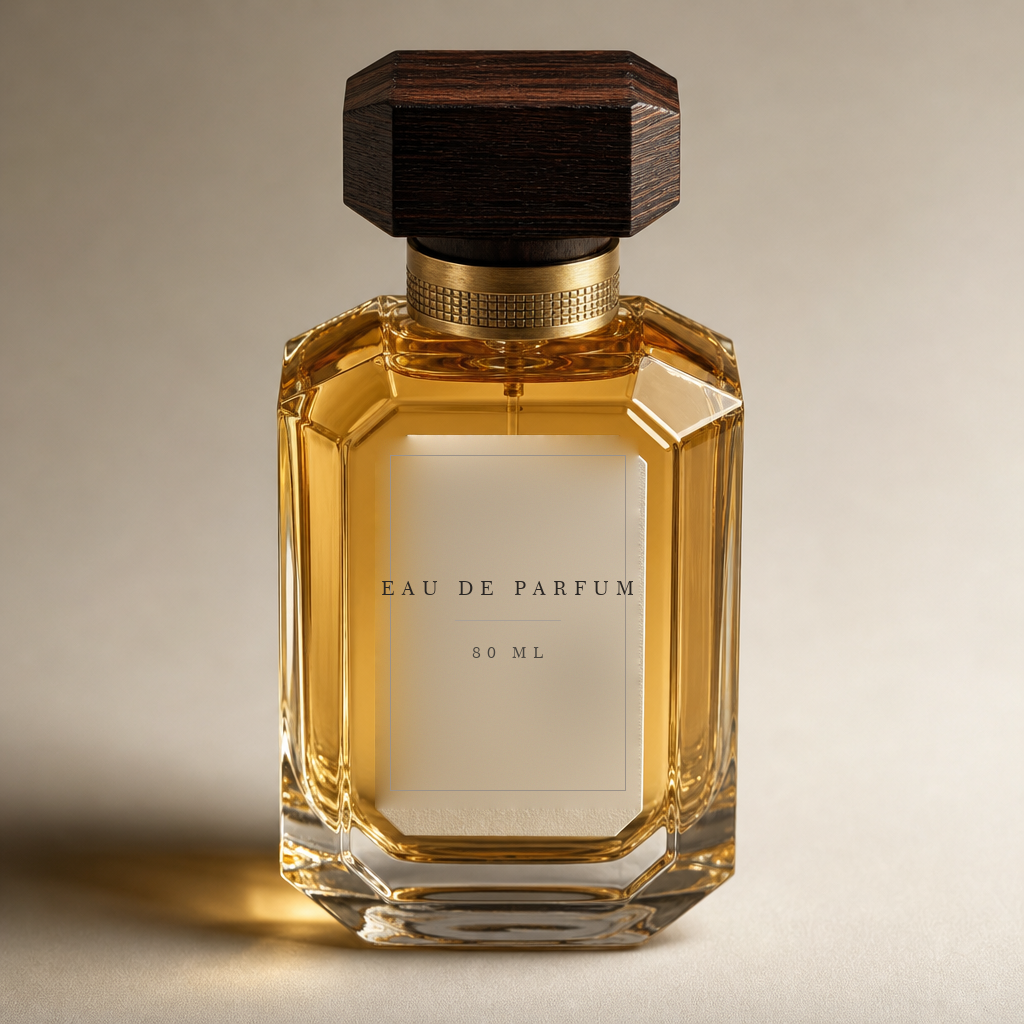
All images on this page are Concept visual references: rendering studies, not finished goods. Some carry working label artwork that is replaced before production.

Procurement scenarios

Buyers arrive with a use case, not a collection name.

Six ways buyers actually source custom perfume and home fragrance. Each one names who is buying, what the order has to solve, and which collection carries it. If your case is not listed, the brief still works — these are the patterns we see most, not the only ones we take.

Hotel & hospitality amenity

Who buys

Boutique hotel groups, serviced apartments and guesthouse operators buying lobby, turndown and bathroom scent.

What the order has to solve

One signature direction that survives repeat replenishment, fill sizes consistent across room tiers, and the property name on a sleeve or card rather than printed onto the bottle.

Carried by

Penta Elemental for calm material directions; Botanica Flora for suite and lobby florals.

Spa & wellness

Who buys

Spa and treatment chains, yoga and meditation studios, aromatherapy own-label brands, wellness retail buyers.

What the order has to solve

A direction that reads as treatment rather than personal perfume, sizes that work on a retail shelf and in a treatment room, and a label that carries no therapeutic claim.

Carried by

Penta Elemental; Botanica Flora at lighter strength.

Humidifier & diffuser oil

Who buys

Home-fragrance sellers, appliance accessory brands and marketplace sellers buying diffuser and humidifier refills.

What the order has to solve

A home-fragrance direction in larger fills, with water-soluble compatibility and dosing checked in development. We confirm the formulation against your device or diffuser type before any compatibility is stated.

Carried by

Penta Elemental, at home-fragrance strength.

Private label for retail

Who buys

Independent retailers, multi-brand boutiques and DTC founders launching a first fragrance line.

What the order has to solve

Your own name on pack, one bottle family that holds a whole range together, and a starting quantity small enough to test that steps up without changing the bottle.

Carried by

Astra Constellations; Aethel Orbit; Epoch Animalia.

Gift & seasonal programme

Who buys

Gift chains, seasonal buyers, corporate gifting buyers, bridal and wedding gifting studios.

What the order has to solve

A dated window, a set architecture that scales across price tiers you sell at, and packaging that arrives intact as a gift rather than as a bottle in a box.

Carried by

Astra Constellations; Epoch Animalia; Botanica Flora.

Humid-climate markets

Who buys

Distributors and importers buying for the Gulf, West Africa and other hot, humid markets.

What the order has to solve

Higher concentration and heavier woods, resins and ambers that hold in heat, packaging that tolerates humidity in storage, plus the documents your market asks for at import.

Carried by

Aethel Orbit at extrait strength; Botanica Flora in warmer concentrations.

Scenarios describe who a direction is built for, not what is sitting on a shelf. Quantity floors, packaging levels and quotations are confirmed per brief, and no price is published on this page.

Three levels of customisation

You can start with five pieces, or commit to a dedicated pack.

LevelWhat it coversQuantityBest forWhat unlocks at this volume
01 · Reference componentsReference bottle, current standard cap and pump, digital label on a reference component set1–5 piecesConfirming the scent, photographing the concept, showing buyersNothing is tooled at this volume. Reference components and a printed label only.
02 · Digital print labellingYour artwork across label, sleeve and card; laser marking or UV transfer; colour matched to the directionShort runs, quoted against the briefLaunching a first line without toolingYour artwork printed and applied across label, sleeve and card; no mould is cut.
03 · Dedicated packagingDedicated bottle finishing, private-mould cap, dedicated box, decoration and assembly300–2,000 pieces, tieredEstablished lines, gifting programmes, spa and hotel accountsScreen print or fired-ceramic decoration from 500 pieces; private-mould metal cap and dedicated rigid box from 1,000 pieces.

Packaging has a floor of its own and it is stated up front: 300 pieces at the low end, up to 2,000 depending on bottle, pump and box. No other range is offered for dedicated packaging.

How it works

Four steps, one owner, no silence.

Step 01

Brief

Market, directions, quantity, packaging level. One form, five fields.

Step 02

Feasibility

Nine points checked before any price: bottle, neck, pump, cap, box, label, scent, concentration, fill size.

Step 03

Sample

Finished pieces or a sealed reference sample, against a written specification.

Step 04

Order & documents

Production against the approved specification, with documentation for your market.

What the first reply contains

A quantity figure tells you what exists today. This tells you what is possible for your brief.

We do not publish an inventory figure, because a number held against a page says nothing about your market, your fill size or your label. Instead the first reply is a document with five fixed parts, so two suppliers can be compared on the same basis.

01 · Scent bases

The directions available for your brief, the concentration each is developed at, and the IFRA limits that apply to your market — named one by one, not summarised as a range.

02 · Component match

Which bottle, neck, pump and cap combinations your fill size and label layout work with, which of them need tooling, and where a substitution is required.

03 · Sampling plan

What the sample will contain and which components it is built on, plus the sampling slot we can hold for you. Dates are agreed with you in the thread, not published on a page.

04 · Production window

The window that opens once you approve the sealed sample and the written specification, and the single step that would move it.

05 · Cost build-up

The lines behind the quotation — concentrate, component, decoration, assembly, packing and documentation — shown separately, so you can see what drives the number before you commit.

The first reply arrives within 24 business hours of your brief. The feasibility note and quotation follow in the same thread once the nine points are checked. If the project sits outside what we can do, the reply says so instead of going quiet.

What this site can and cannot promise

The limits, written down before you ask.

A short list we would rather state at the start than explain at the end.

  • QuantitiesFinished goods from 1–5 pieces. Dedicated packaging from 300 to 2,000 pieces. No other range is offered.
  • Status of the collectionsThe five collections are proposals. Scent direction, packaging specification and availability are confirmed during development against your brief.
  • PricingNo price is published here. Quotations are issued after the brief is reviewed, and they state quantity, packaging level and timing.
  • DocumentationSDS, CoA, IFRA conformity and stability reports on request. Registration steps that belong to you or your local importer are identified in writing rather than absorbed into the quotation.
  • ClaimsNo therapeutic, predictive or “all natural” claim is made for any direction, on pack or on this site.
  • TimingSampling and production dates are agreed per project. No delivery date is promised on any page.

Tell us the market. We will tell you what is possible.

Send the brief and you get a first reply within 24 business hours, then a feasibility note and quotation in about five business days.

Start an inquiry